


The Complete Guide to Buying a New BMW: From First Test Drive to Your First Year
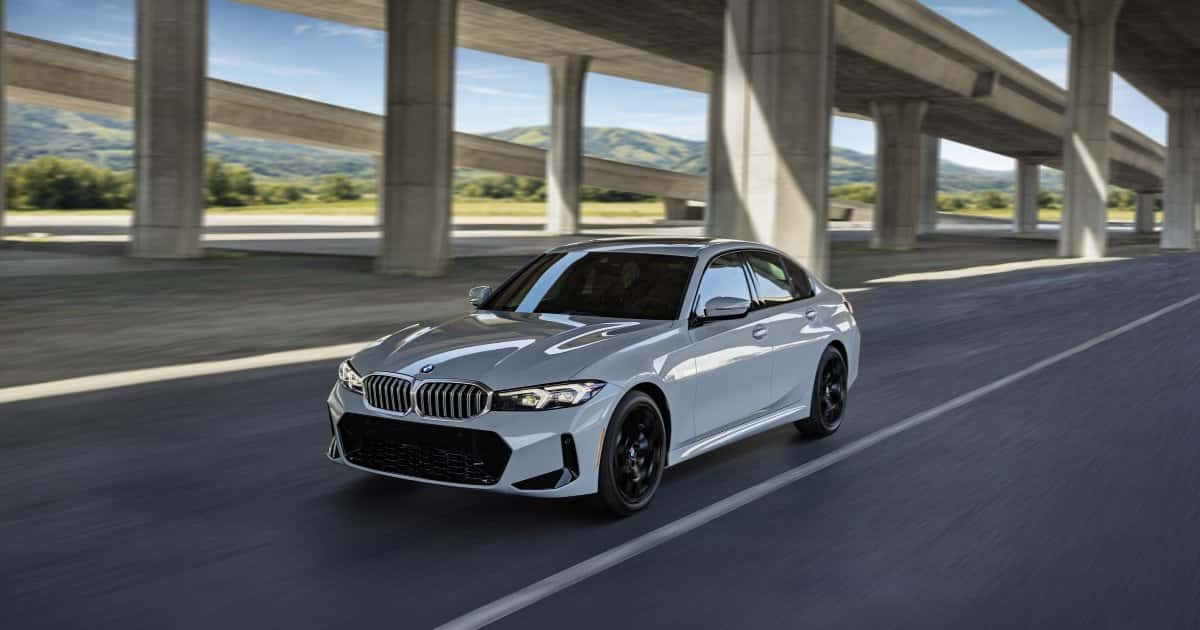
Buying a new BMW is exciting, but choosing the right vehicle takes more than picking a model and signing paperwork. Understanding the test-drive process, financing options, vehicle technology, and maintenance requirements can help you make an informed purchase and prepare for ownership.
At BMW of Tri-Cities in Richland, WA, we help drivers throughout Kennewick, Pasco, Yakima, Walla Walla, and surrounding communities explore BMW ownership. This guide covers every major step, from finding your ideal vehicle to maintaining its performance.
Step 1: Choose the Right BMW for Your Lifestyle
Your ideal BMW depends on your passenger needs, preferred performance, and driving conditions. A luxury sedan may suit daily commuting, while an SUV offers additional cargo flexibility for family trips and outdoor activities.
Start by comparing popular BMW models and their practical advantages.
| BMW Model | Key Features | Best For |
|---|---|---|
| BMW 3 Series | Sporty handling, premium interior | Daily commuting |
| BMW 5 Series | Spacious cabin, refined ride | Highway travel |
| BMW X3 | Versatile cargo area, xDrive all-wheel drive | Active lifestyles |
| BMW X5 | Generous space, advanced comfort | Families and road trips |
| BMW i4 | Electric performance, digital technology | Electric vehicle buyers |
| BMW M Models | Performance-focused engineering | Driving enthusiasts |
Consider regional conditions when comparing configurations. BMW xDrive all-wheel drive can improve traction on slippery roads, making it worth considering for Eastern Washington winters. Appropriate tires remain essential regardless of drivetrain.
Step 2: Establish Your BMW Buying Budget
Before visiting a dealership, determine what you can comfortably spend. Your budget should account for the purchase price, insurance, taxes, registration, financing charges, and ongoing operating expenses.
Total cost of ownership means the combined expense of purchasing, driving, maintaining, and eventually selling a vehicle. Estimating these expenses before purchasing can help you plan for the full cost of ownership.
| Expense | What to Consider |
|---|---|
| Vehicle price | Model, trim, and optional equipment |
| Financing | Interest rate, down payment, loan term |
| Insurance | Coverage costs for your selected model |
| Maintenance | Services outside applicable coverage |
| Fuel or charging | Estimated annual driving expenses |
A larger down payment generally reduces your financed balance and total interest. However, maintaining emergency savings is equally important.
Step 3: Make the Most of Your BMW Test Drive
A test drive helps you understand how a BMW performs beyond its specifications. Evaluate acceleration, steering, braking, visibility, seat comfort, and cabin noise under realistic driving conditions.
For a complete experience, include both city streets and highway driving. Drivers traveling between Richland, Pasco, and Spokane should pay close attention to ride comfort on longer trips.
What should you test during a BMW test drive?
| Area | What to Evaluate |
|---|---|
| Performance | Acceleration and steering response |
| Comfort | Seating position and suspension |
| Technology | Navigation and smartphone connectivity |
| Safety | Visibility and available assistance systems |
| Practicality | Passenger room and cargo capacity |
Ask about driving modes, available packages, and features included on the specific vehicle. If you’re considering an electric BMW, ask to see a demonstration of charging functions and range information.
Step 4: Understand BMW Technology and Safety
 Modern BMW vehicles combine intuitive controls with advanced connectivity. Depending on the model, features may include BMW iDrive, the BMW Curved Display or the new BMW Panoramic iDrive, smartphone integration, navigation, and compatible My BMW App functions.
Safety technology deserves equal attention. Available systems may include Forward Collision Mitigation, Active Blind Spot Detection, Lane Keeping Assistant, and Active Park Distance Control . These features help support driver awareness but cannot replace attentive driving. Because equipment varies by model year and configuration, confirm which systems are installed and ask how they operate before purchasing.
Step 5: Compare BMW Financing and Leasing
Choosing between financing and leasing depends on your financial goals and preferred ownership period.
Financing lets you buy the vehicle with a loan and own it outright once the loan is repaid. Leasing generally lets you use the vehicle for a specified term, subject to mileage, condition, and payment requirements.
| Consideration | Financing | Leasing |
|---|---|---|
| Ownership | Keep vehicle after repayment | Usually return or purchase at lease end |
| Mileage | No loan mileage restrictions | Contractual limits |
| Customization | Greater flexibility | Often restricted |
| Best Suited For | Long-term ownership | More frequent vehicle changes |
Drivers with longer commutes may appreciate the flexibility of financing, while those who prefer newer vehicles every few years may consider leasing.
BMW of Tri-Cities offers financing assistance through available lending options, including BMW Financial Services. Compare the annual percentage rate, total payments, applicable fees, and contract terms before deciding.
Step 6: Review Pricing and Prepare for Delivery
Before finalizing your purchase, request an itemized price breakdown. Review the vehicle price, taxes, registration, documentation charges, incentives, and optional products.
If you’re trading in a vehicle, compare its appraised value with any outstanding loan balance. Negative equity occurs when you owe more than your current vehicle is worth and may increase your next financing balance.
On delivery day, inspect the BMW, confirm its equipment, review warranty documents, and verify insurance coverage. Ask the dealership team to demonstrate essential controls, connect your smartphone, and explain vehicle settings.
Reviewing the vehicle’s controls, equipment, and documentation before leaving the dealership can help you get started.
Step 7: Learn Your BMW During the First 30 Days
Your first month should focus on becoming comfortable with the vehicle. Explore driving modes, adjust personalized settings, and practice using parking technology in familiar surroundings.
Set up the My BMW App to access compatible connected services. Depending on your vehicle, available functions may include vehicle status, remote features, and service notifications.
Review the owner’s manual for break-in recommendations, tire specifications, and operating instructions. Certain BMW performance models require specific initial driving precautions.
Step 8: Understand BMW Maintenance and Warranty Coverage
 New BMW vehicles sold in the United States typically come with a New Vehicle Limited Warranty covering four years or 50,000 miles, whichever comes first. BMW also offers Ultimate Care scheduled maintenance coverage on eligible vehicles for the first three years or 36,000 miles, whichever comes first. Both programs are subject to their respective eligibility requirements, coverage exclusions, and terms.
Warranty coverage addresses qualifying defects, while maintenance coverage applies to specified scheduled services. Verify your vehicle’s exact eligibility, exclusions, and program terms.
BMW’s Condition Based Service (CBS) system monitors selected maintenance requirements based on vehicle operation. Follow service notifications and manufacturer recommendations rather than assuming every BMW has identical maintenance intervals.
Step 9: Prepare for Eastern Washington Driving
Richland’s hot summers and Eastern Washington’s colder winters create different vehicle care needs. Regular tire inspections, proper inflation, and seasonal preparation help maintain reliable performance. Drivers heading to Spokane or taking mountain routes should consider suitable winter tires. Although xDrive can improve acceleration traction, it doesn’t eliminate braking risks on slippery roads.
For electric BMW owners, temperature can influence driving range and charging performance. Understanding preconditioning and planning charging stops makes regional travel more convenient.
Step 10: Build Strong First-Year Ownership Habits
Your first year establishes the foundation for long-term BMW ownership. Keep maintenance records, monitor vehicle alerts, maintain proper tire pressure, and promptly address unusual noises or performance changes.
Use this simple ownership timeline as a planning reference.
| Ownership Period | Recommended Focus |
|---|---|
| First month | Learn controls and vehicle features |
| Months 2 to 3 | Monitor tires and service alerts |
| Months 4 to 6 | Review seasonal driving needs |
| Months 7 to 9 | Check maintenance notifications |
| Months 10 to 12 | Review mileage and upcoming service |
This timeline supplements, rather than replaces, your BMW’s official maintenance schedule.
At BMW of Tri-Cities, located at 955 Aaron Drive in Richland, our service team supports owners with specialized diagnostics, genuine BMW parts, and professional maintenance assistance.
From selecting your vehicle to completing your first year, informed decisions make ownership more rewarding. Explore available BMW models, schedule a test drive, or contact our service team anytime you need guidance.
0 comment(s) so far on The Complete Guide to Buying a New BMW: From First Test Drive to Your First Year